

After the Rain: What South Bay Dog Owners Should Watch For

The rain finally came....and went!
Across the South Bay and Silicon Valley, remnants of recent storms have brought much-needed relief — greener hills, cleaner air, and a change in temperatures.
But for dog owners, rain also changes the landscape in ways that aren’t always obvious.
From standing water and bacteria to emerging foxtails and shifting parasite activity, this time of year comes with a few important considerations. Here’s what to keep in mind as the ground dries and spring approaches.
1. Standing Water Isn’t Just Mud
After heavy rain, puddles linger longer than we expect — especially in parks, trails, and low-lying grassy areas.
While most puddles are harmless, standing water can harbor bacteria and contaminants carried by runoff, including waste from wildlife and urban drainage systems.

Dogs are especially vulnerable because they:
Drink from puddles instinctively
Run through water before we notice
Lick their paws afterward
Simple steps:
Bring fresh water on walks
Redirect your dog from stagnant puddles
Rinse paws after muddy outings
Watch for lethargy, vomiting, or unusual behavior
Recent local public health alerts have reminded us that wet conditions combined with urban wildlife can increase exposure risks — especially in areas near creeks or drainage systems.
Rain changes what’s underfoot.
2. Foxtail Season Is Quietly Starting
With fresh growth comes one of Northern California’s most persistent hazards: foxtails.
These barbed seed heads thrive after winter rain and begin appearing in grassy fields, trail edges, and neglected patches of land.
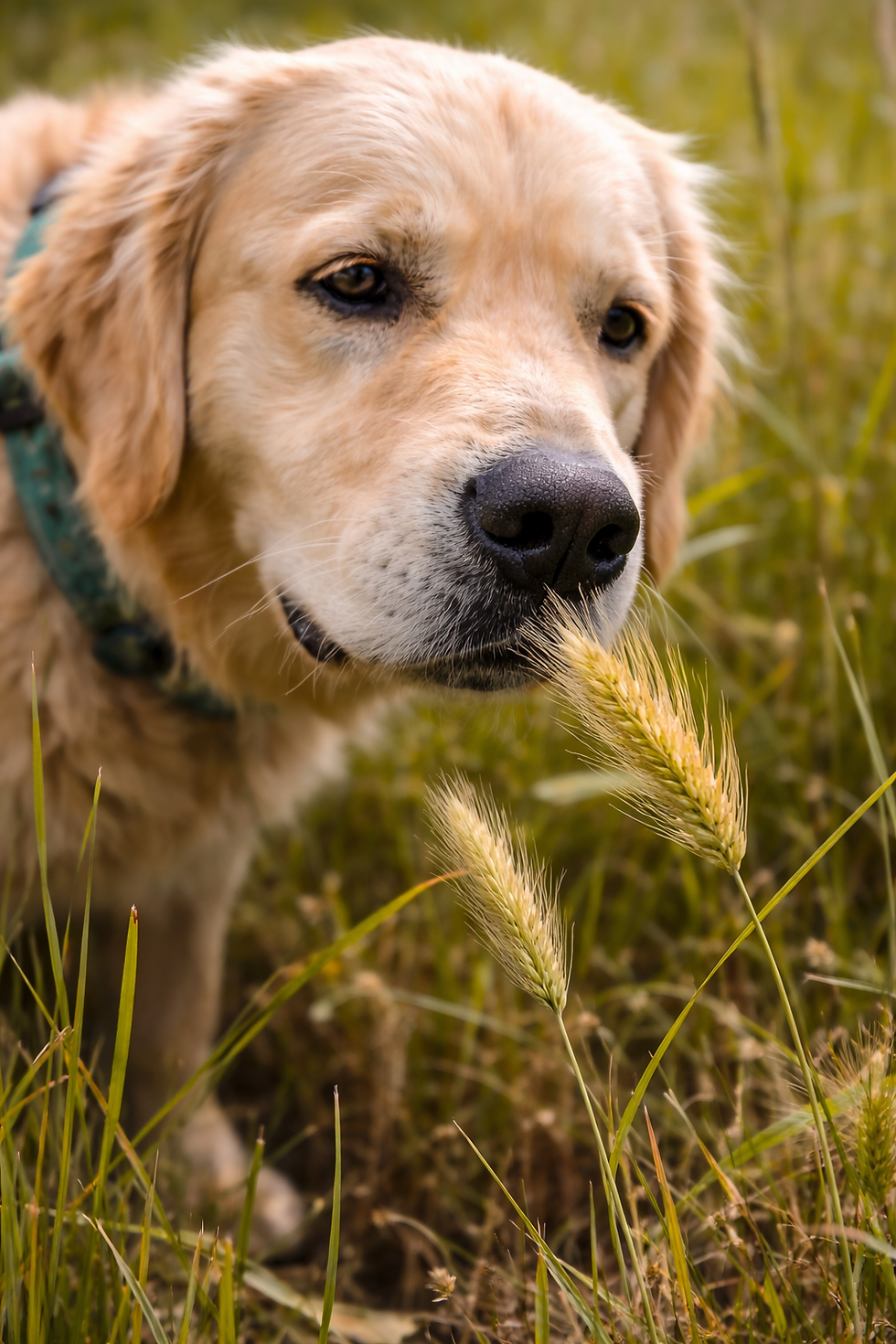
Because they’re shaped like tiny arrows, foxtails can:
Embed in paws
Work into ears
Irritate eyes
Burrow into skin
Check your dog after outdoor play, especially:
Between toes
Around ears
Under collars
In armpits and groin folds
Early removal is simple. Delayed discovery can mean a vet visit.
3. Mosquitoes and Parasites Follow the Moisture
Rain creates breeding grounds for mosquitoes, particularly in standing water.
While heartworm is less common in Northern California than in other regions, cases do occur — and prevention is far easier than treatment.
Additionally, fleas and ticks become more active as temperatures warm and vegetation thickens.
Now is a good time to:
Confirm your dog is on heartworm prevention
Revisit flea/tick protection with your vet
Keep grass trimmed in your yard
Moisture fuels more than plants.
4. Paw Irritation and Slippery Surfaces
Mud and wet grass soften paw pads. Combine that with gravel, bark chips, or rough trails, and minor abrasions can occur more easily.
You may notice:
Excessive licking
Tenderness
Redness between toes
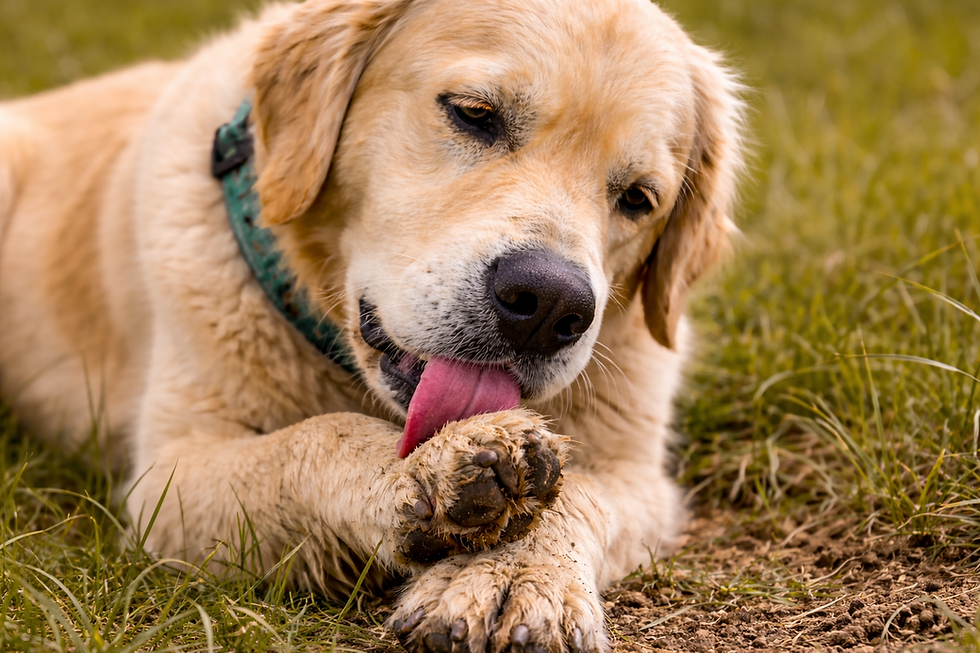
After long outings, a quick rinse and towel dry can prevent irritation and buildup.
Wet conditions also make certain surfaces slick. Dogs can tweak joints more easily when accelerating or stopping on slippery terrain.
A little caution goes a long way.
5. Seasonal Energy Shifts
This one is less about health — and more about behavior.
Cooler weather followed by sunny breaks often means:
Higher energy
More outdoor time
Increased social interaction
For some dogs, that’s wonderful. For others, it can mean overstimulation.
Spring is a great time to:
Revisit leash manners
Practice calm greetings
Reinforce recall
Reintroduce structured social play
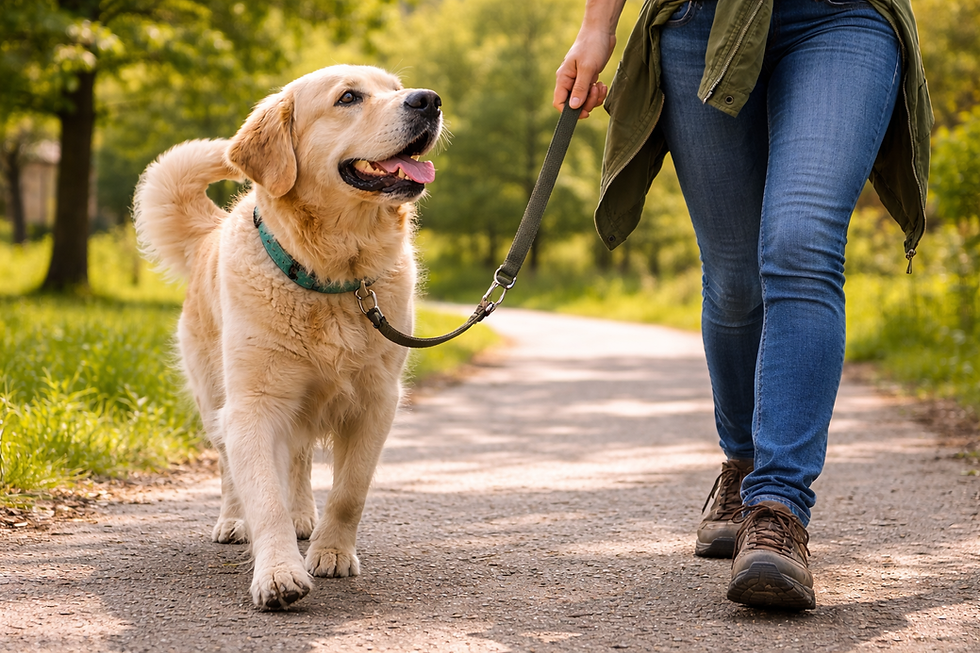
Seasonal shifts aren’t just environmental — they’re behavioral.
Why It Matters
The South Bay is a beautiful place to raise a dog.
But like any region, it has seasonal rhythms. Rain changes soil, vegetation, insects, and bacteria. Awareness helps prevent small issues from becoming larger ones.
Being proactive doesn’t mean being anxious; it means being informed.


Comments